




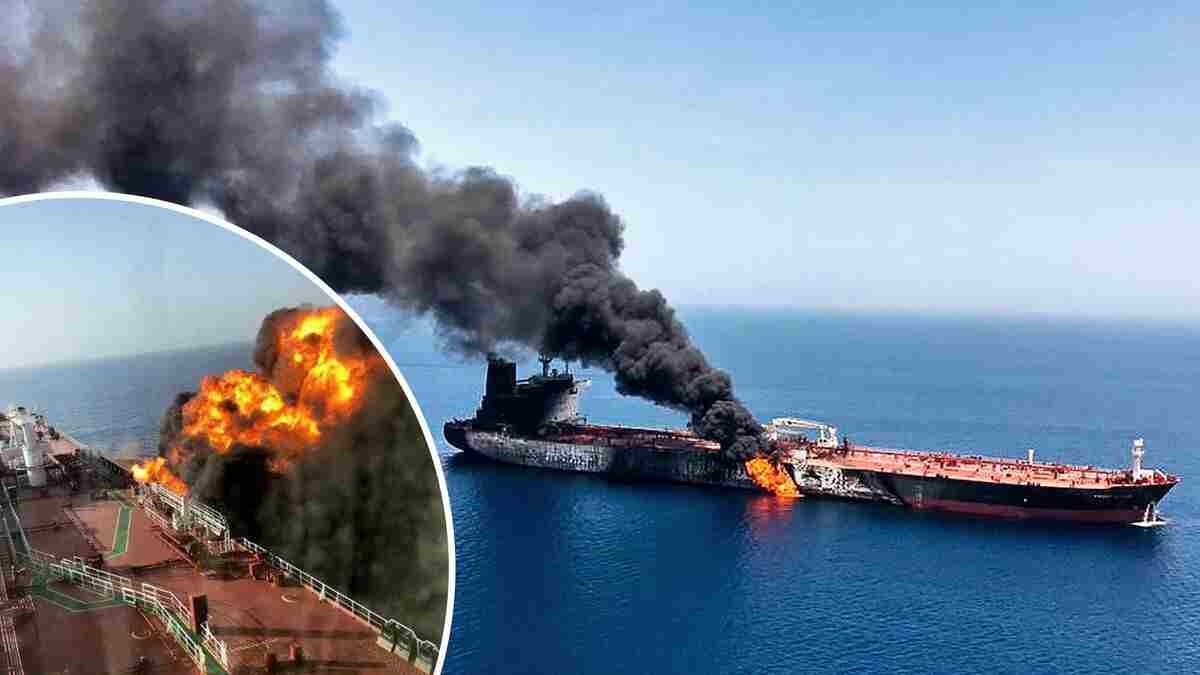
US forces blew five Iranian oil tankers out of the water this week while Iran responded with a missile barrage against a US base in Jordanrending the Middle East conflict a more perilous state. With oil prices now nearing $100 a barrel and regional powers and shippers remaining apprehensive over the years tanker transit through the Strait of Hormuz. United States Central Command announced that the Gulf of Oman tankers was hit on Tuesday following two days ofIranian Islamic Revolutionary GuardCoranged rounds at a US Navy warship.
Four were damaged in the oil-richBandar-e-Abbaswa, whilerunning operations were said to have been ordered offfive outside the Iranian port of Kharg Island. None of the American crews suffered injury but the vessels were forced to withdraw before they were ” rendered inoperable”. The US called the vessels part of a shadow network that funds the Revolutionary Guards with itsregional allies..
Iran swiftly retaliated: the Revolutionary Guards declared ” a punitive operation” directed against the Muwaffaq Salti Air Base near Azraq in Jordan occupied by American military. Jordanian forces claimed to have managed to shoot down: eighteen out of twenty missiles launched by the Iranian force, the other two landing in unpopulated regions. There were no injuries or deaths among the Jordanians.
Iranians declared to have inflicted damage on hangars and flight maintenance areas, but the Americans stated to have no suffered any damage. As the Guards announced they had attacked ten ships off the Strait, two of them American and the rest oil tankers, these reports could not be confirmed but did seem to reinforce the feeling that both sides are becoming prepared to attack commercial vessels more persistently than they had been in the initial phases of the six-month war.
Although many sailing plans have already been changed by trading companies, it seems the Straits of Hormuz continues to be a high risk area. Energized the market further, the attacks by Iran-supported Houthi rebels on Saudi Arabia. The rebels targeted oil and other facilities in a number of southern Saudi towns with a rocket and drone assault that injured over 70 individuals and damaged some oil facilities.
Saudi officials indicated that there were shutdowns at selected energy assets. This was one of the most significant recent attacks by the Houthis on Saudi Arabia and created new anxieties over supply disruption in the Persian Gulf and Red Sea.
Oil traders responded in a matter of hours. Brent trading surged and exceeded the one-hundred dollar threshold for the first time since July, reflecting markets’ expectations of tighter supplies and escalating costs of insuring tankers. As experts, the recent hostilities have “frustrated the tranquility of the past few weeks” and showed how rapidly the crisis could spill over into other regions. What this pattern has become is one of self-deception with prudence. Every blow is taken at the other’s strongest institution, oil tankers that create the income or bases that project strength.