NATO has reiterated that it is aware of a missile strike in Poland following a missile incident that occurred on Polish territory when a missile was fired as part of Russian strikes against Ukraine. The event has shone a spotlight once more on the threats faced by nations on NATO’s eastern border amid ongoing destabilizing factors in Ukraine. Poland, a NATO state bordering Ukraine, has functioned as a central logistical and humanitarian center since the outbreak of fighting.
Poland has been heavily involved in aiding Ukraine by providing generous amounts of humanitarian aid and military aid, not to mention its support for having millions of refugees. Given its involvement, any attack on Polish land is taken very seriously by Warsaw and NATO alike.
The officials said the missile was fired during a barrage of heavy air strikes on infrastructure and military sites in Ukraine. The authorities quickly launched an investigation to establish where the missile had come from, what course it had taken and how it had came to have crossed into Poland. Military intelligence experts are sifting through information from radar, satellites and other sources to piece together the sequence of events.
NATO officials said they remain in constant communication with the Polish government and that NATO is closely observing the situation. Since the escalation of the conflict, NATO has increased the sensitivity of their northern and eastern air defense and air interdiction systems, employing sophisticated radar systems, surveillance aircraft and intelligence sharing networks.
The incident illustrates increasing dangers from large-scale missile and drone strikes on the borders of neighboring states. Even if the missiles are intended as a strike on a Russian target inside Ukraine, from time to time the missile or fragments come across the border. The response of the Polish armed forces to the episode was swift, activating various pre-planned procedures and working with the allied defense systems.
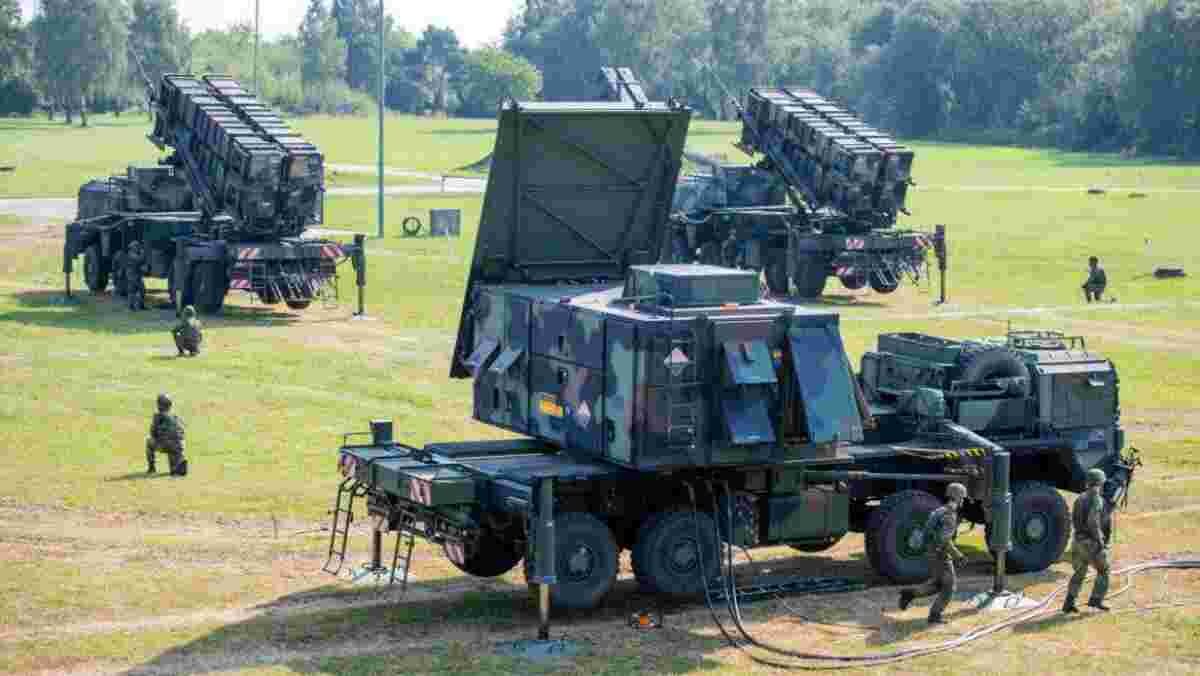
Poland’s integrated air defense covers the border areas, working together with NATO assets to detect any flying objects and to analyze urgent situations. They, and other defense analysts and experts, also point out that any such so-called border incidents need to be thoroughly examined before definite conclusions can be made.
For instance, it needs to be determined whether a missile was aimed at another nation, essentially “missed” itself, or if it was simply the evidence of falling debris. The incident also highlights the significance of collective security structure of NATO.
Due to the security pacts within the alliance, countries along the eastern flank frequently share intelligence, plan military actions, and bolster defenses, in the hope of mitigating the surface of regional contingencies. Though the cause behind the event is still under probe, alliance officials reiterated commitment to defend all member states’ territory.