



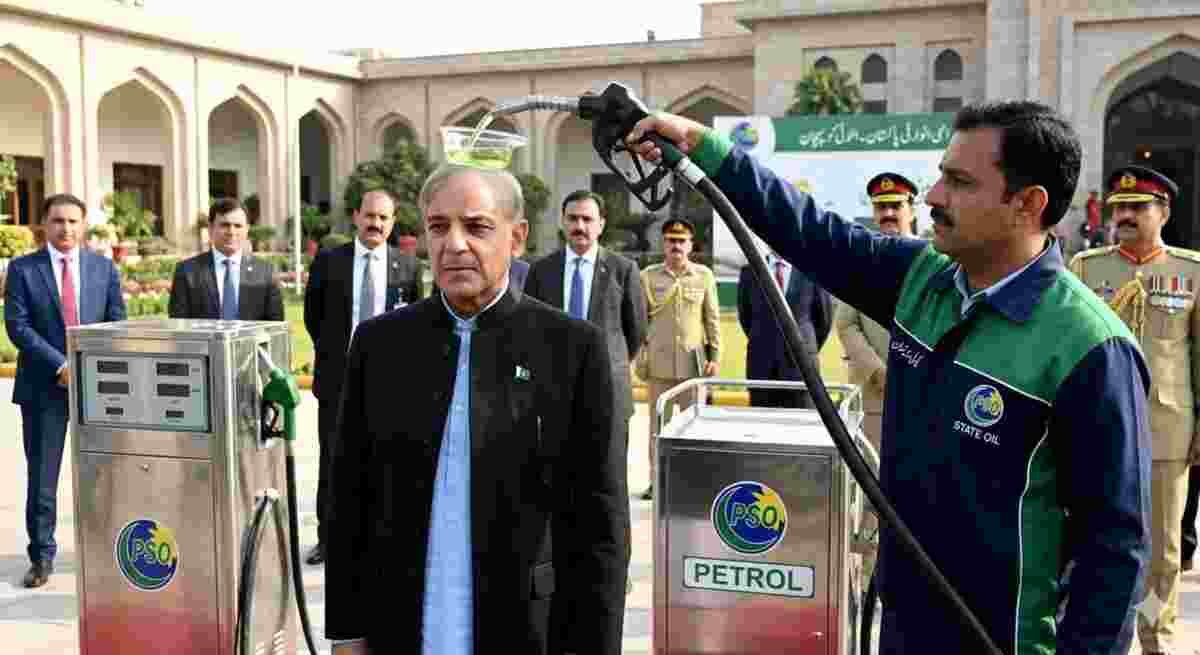
With the Gulf conflict causing a rise in world energy prices and raising fears about supplies of fuel and gas, Pakistan is implementing a fresh phase of austerity measures and fuel conservation. Among these measures is to cut fuel allocations for official cars and to curtail government expenditures, limit foreign travels and close markets early.
The new measures will also result in a 50 per cent cut in petrol and diesel allocations for all vehicles on official usage, for a period of three months. Though, operational vehicles used for armed forces, law-enforcement agencies, civil armed forces and key services will not be affected. Still, administrative and non operational vehicles from these organization will though be affected.
A ban has also been placed on the buying of new government vehicles and nearly all lasting goods, but waivers have been granted for purchasing of IT equipment. Federal ministries and departments have been directed to cut the unnecessary recurring expenditure by 5% for this financial year. Even official entertainment and dinner programs has been stopped, except when hosted by the visiting foreign delegations.
Government officials will be banned from foreign travel for three months, except in cases where it involves a scholarship, training programme or is to fulfill a government, diplomatic mission or enterprise mandate. When foreign travel is essential ministers advisers, parliamentarians and other officials will be expected to travel economy class. Pressures are also being place on departments to have meetings tele-conferenced in instead of holding physical meetand-greets.
Another aspect of the austerity programme is the restriction on businesses and public activities. Any shop market shopping mall bazaar grocery, or any other retail outlet shall close at 9:00 pm, whilst marriage halls and festive entertainment premises shall close at 10:00 pm; restaurants restaurants cafes, snack-bars, and food outlets shall close at 11:00 pm, with takeaway and home-delivery outlets being excluded to this rule.
The government has kept out exceptions like hospitals pharmacies clinics labs fuel stations, CNG stations, EV charging points, stand-alone bakeries, dairy shops gyms sports complexes, IT companies, call centres etc. Provincial and regional administrations have been enjoined to look into the issue of adopting what I just said steps.
Petrol prices have shot up after a steep hike in domestic fuel prices. Petrol hiked by Rs6.88 p.a litre and now costs Rs391.22 whereas high speed diesel by Rs5.62 p.a litre and is now at Rs421.45 the new prices become effective from 17 September. Pakistan Petroleum Division mentions that the hikes can be attributed to rising prices in international market, premiums etc.
As Pakistan relies Really on the import of energy, the Gulf crisis has put added pressure on the country. Several disruptions to the transportation of oil, LNG and other shipping routes have increased the uncertainty for Asian economies which are net fuel-importers. Rising energy prices may increase transportation/other costs and increase the costs of power generation, and squeeze household and industrial budgets.


