




For years the world followed as the world’s largest stainless-steel rocket was hoisted into the air and tested, barely making it halfway to the destination. But on Monday all that changed. For the first time, Starship went into earthing orbit on top of delivering an entire load of the company’s latest and most sophisticated satellites.
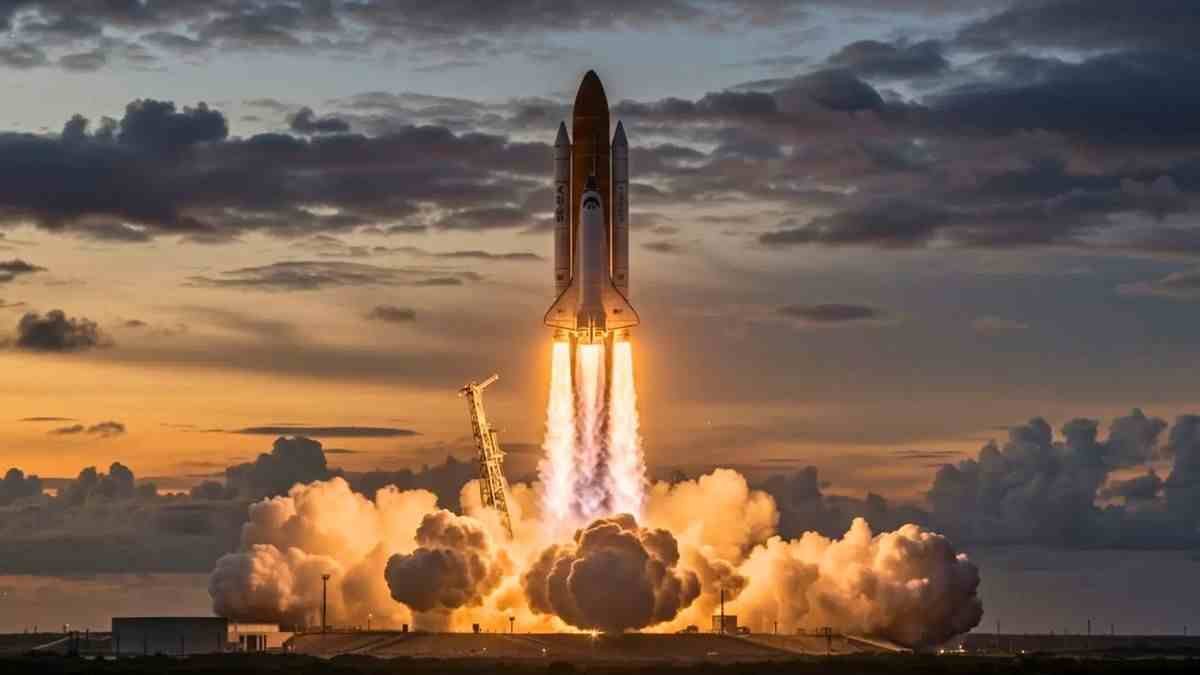
The fourteenth voyage of the behemoth craft took to the skies of Starbase, South Texas just as the sun was cresting over the horizon. The Super Heavy booster fired, separated, and landed messily in the Gulf of Mexico all as planned. The upper stage, still referred to as Starship, kept raising. One of its Raptor engines prematurely cut off, but the vehicle continued. The flight controllers determined the ship still had sufficient fuel reserves to achieve orbit, and after a brief burn it entered an elliptical orbit around the globe, approximately 270 kilometre in altitude.
That single event would have been a historic achievement in itself. But then Starship unfolded its payload bay and started dumping satellites. Twenty-six of the latest generation of Starlink V3 satellites floated away into space. These are not the tiny ones that have already flown dozens of times on Falcon 9s; these are bigger, heavier, and more sophisticated, built to transfer about ten times the amount of data. SpaceX was on the receiving end of telemetry for every single one of them within minutes. Starship had delivered an operational payload to orbit for the first timeand was leaving it behind.
The mission didn’t last as long as the company had wanted. Controllers decided to bring the ship back after around three hours, rather than the scheduled ten, with a controlled fiery re-entry, and splashdown in a safe part of the Pacific to the north of Hawaii. Excessive caution, they claimed, following the engine problem. But, the main goals had been met. Orbit acquired. Satellites released and in good health.
For years, Elon Musk and the SpaceX team have talked about what a big rocket they would need if mankind is to routinely ferry crew and cargo to the Moon and Mars. Starship will be all about re-use, of climbing into orbit landing refueling and climbing back out. The splashdown and return of a genuine payload is an unmistakable indication that the hardware is beginning to match the vision. The V3 Starlinks that it carries matter equally. A single performance of Starship can provide as much network capacity as dozens of Falcon 9 launches, driving fast the rollout of on-line broadband services from space.
It was a little difficult not to take a few moments of silence after observing the live stream, after all it was thirteen flights to a now familiar destination that has taken the engines, the heat shield, the flap controls, the tower catch system to get there. Some were spectacular, some came close, but didn’t quite make it. This time the vehicle remained on course long enough to launch the idea to the widest audience to date.
There is a huge amount of work still to be done. Engines still need to be more reliable, Heat shields can still make many more visits before complete degradation occurs.