


A significant overhaul plan, one which Volkswagen announced recently, would result in the company discontinuing almost half of its car models as it contends with the mounting pressure from Chinese EV manufacturers. This fundamental change in their business strategy is a response to the fast-changing global automotive market, where established players are struggling as never before against newcomers offering electric cars with advanced technology at bargain prices.
A firm that has stood for a long time as a symbol of engineering innovation and broad appeal through its products makes the announcement of such a painful yet inevitable change. The manufacturer has relied upon an enormous selection of models in its range to meet the varied needs of consumers in Europe, North America and beyond. The sales slowdown together with the Chinese brands’ rapid rise to prominence have forced the executive team to consolidate production and redirect resources efficiently.
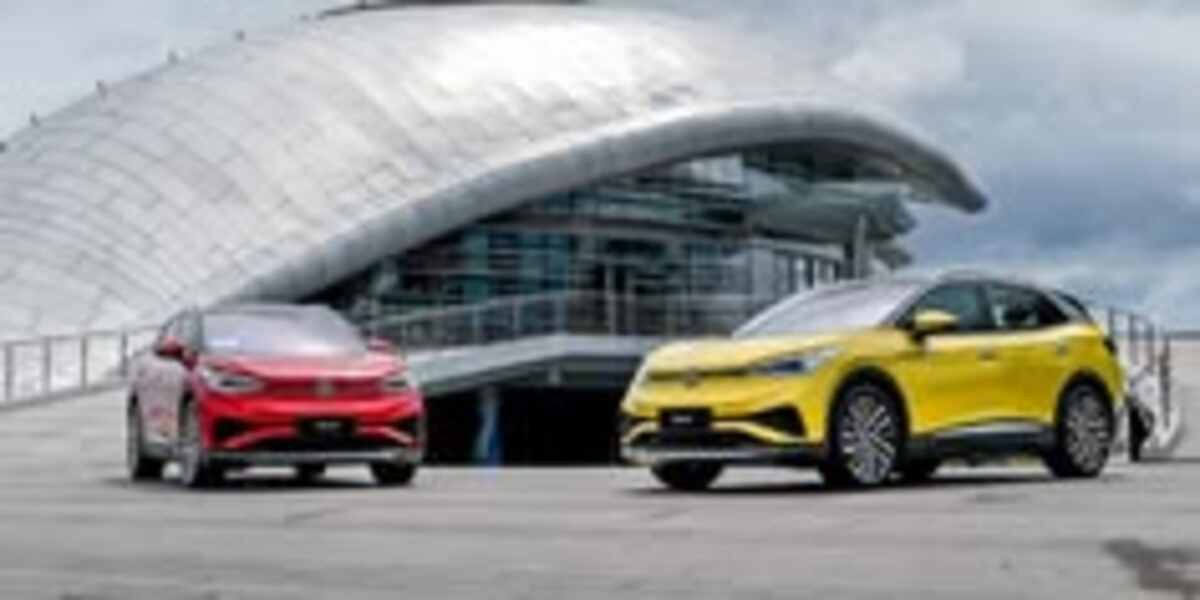
The timing of such action aligns with the growing popularity of China’s electric vehicle (EV) manufacturers, whose vehicles combine affordability, long driving range and sophisticated features. The appeal of these cars is getting the Europeans and Americas to reconsider their car choices, which in turn is pushing the old players to find new ways to compete. The plan to slash 2 of the car models is aimed at allowing the firm to double down on the most popular models while also reducing the expenses about operating several under-profitable models.
Professional watchers of the industry think that the change is a natural part of the bigger picture about how car manufacturing is changing at the moment. The shift towards EV is happening faster than even some had imagined, which favors new entrants and gives the established players a hard time because they are burdened with huge capital in traditional internal combustion engine technology investment. Based on the Volkswagen plan, the company will step-up its EV development and seek out possible partnerships to stay ahead in the electric car game.
Both customers who have remained faithful to the Volkswagen name and their staff will be experiencing a whole range of feelings upon seeing this. Some may start feeling anxious about Really they might never see again some of their favorite models. Others, Then again, might be thankful as they see that the company is prepared to make tough decisions in the name of the survival of the business. Some plants could face lay-offs, but the company says it will look after its workers by offering them retraining schemes or any other support necessary.
As well, with this change, customers’ interest in sustainable and economic features is reflected as Chinese EV firms have succeeded in making their products affordable when talking about the green transition, which appeals a lot to the budget-oriented consumers who want to have the latest technology without paying the premium price. With Volkswagen’s reaction to this, the company itself realizes that it is very close to a situation where its business could be in danger if it just relies on what is already been doing, Mainly in the very competitive automotive environment.
Future-wise, the company wants to put a lot of effort on the things it is good at while at the same time making significant investments in software, connectivity and advanced electric platforms. It might also lead to a stronger presence of the well-known models and fresh innovative ones that could attract the company’s attention. The company has to be very efficient in the implementation of the changes as well as preserving the qualities of excellence in design and reliability that the Volkswagen brand has enjoyed for decades before they can succeed.
Volkswagen’s struggle is under the scrutiny of the global automobile industry. The traditional manufacturers who are in similar predicament might follow this pattern, so the situation could point us to wider alterations throughout the car industry. Consumers But might be in for exciting times as the race for loyalty with a focus on the electric future will mean companies competing and coming out with new products, better service and more variety.