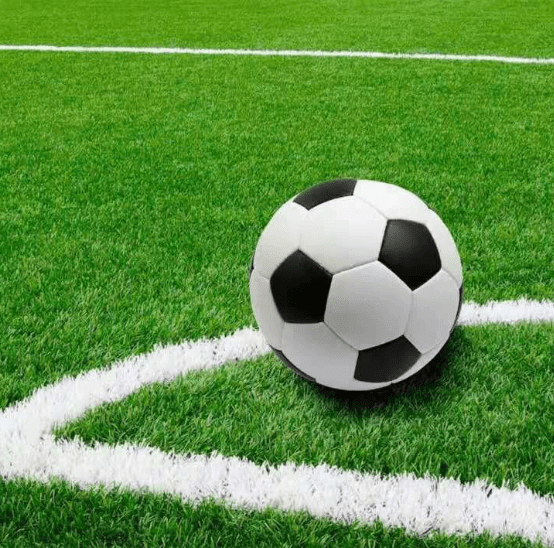
Artificial turf is becoming more and more popular among homeowners, businesses, and sports facilities because of its low maintenance requirements and eco-friendliness. In contrast to traditional green grass, artificial turf requires very little fertilizer, watering, or mowing, making it an excellent sustainable choice in areas with water scarcity. Artificial turf has also grown to be seen as a clever answer to today’s landscaping needs because it is durable and consistently green.
There are countless uses for artificial turf in both residential and commercial settings. Artificial turf eliminates the issues associated with natural grass being impacted by the seasons and can make any area, from a backyard garden to the roof of a house, green with a consistent, lovely appearance. Additionally, the use of artificial turf is growing in urban areas due to the extreme difficulty of maintaining natural grass. Artificial turf’s improved appearance, long-lasting performance, and reduced maintenance costs will all benefit its users.
Synthetic grass has transformed the sports field by enabling the same kind of playing ground for football, soccer, and other sports. Natural grass, but as players continue to walk on it and the weather deteriorates, it will get weary. Professional stadiums, educational institutions, and public parks are using synthetic turf to create fields that are both aesthetically beautiful and safe.
The efforts of specialized manufacturers have contributed significantly to the increase in popularity of artificial grass. These producers use state-of-the-art technology to produce grass that is much more resilient while still having the appearance and feel of natural grass. A reputable manufacturer of artificial grass can provide a product that meets industry standards for performance, safety, and the environment.
Using synthetic turf or artificial grass is an eco-friendly lifestyle that eliminates the need for hazardous fertilizers and pesticides while also using less water. On the other hand, property owners will have a landscape that is consistently green and appealing while also saving the money they would have spent on routine care.
If you want to choose the best synthetic turf or artificial grass, you must consider a number of variables, including the product’s intended use, its longevity, and your aesthetic preferences. Sports facilities will be more interested in a grass that is safe and resilient, while those who want the product for their homes could be more likely to choose one that is soft and has a natural appearance.
Synthetic turf, artificial grass, and artificial turf are altering our perceptions of sports fields and landscaping. In addition to being aesthetically pleasing and functional, the modern solutions available today also align well with environmental ideals. All of this is made possible by the creative artificial grass producers.