





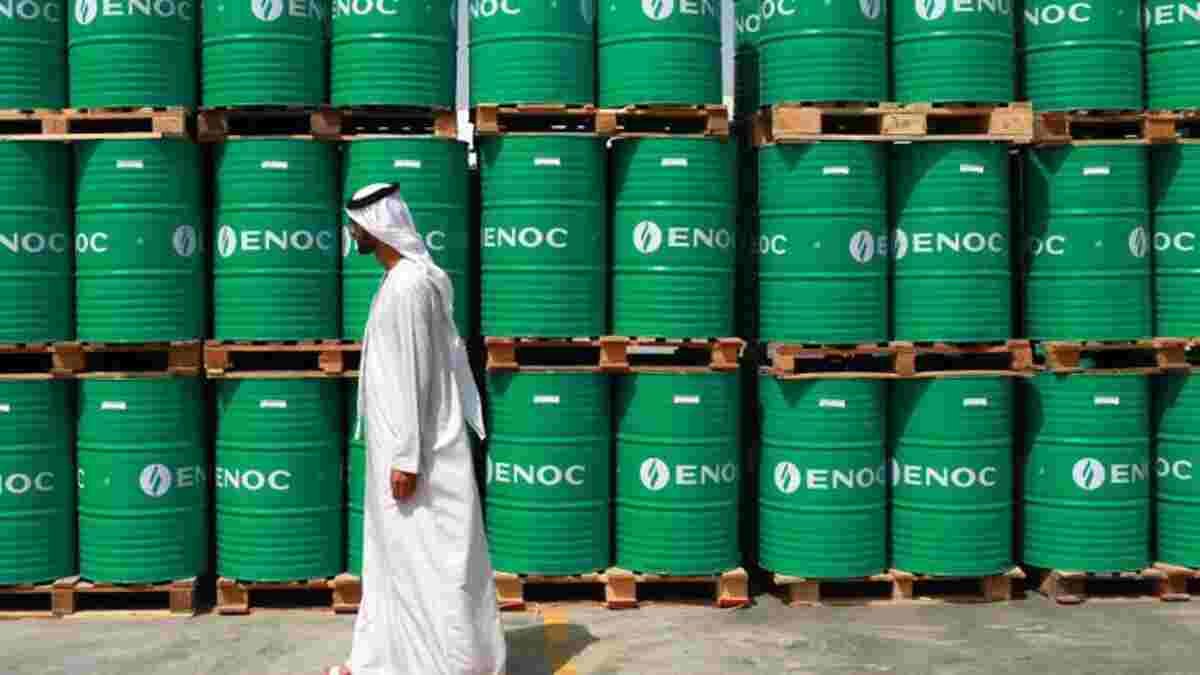
Oil markets around the world have experienced an unusual bout of volatility in recent days as renewed indirect nuclear negotiations between the United States and Iran in Geneva have captured investor attention and shaped pricing movements across major benchmarks such as Brent crude and West Texas Intermediate (WTI). Traders and analysts say that the ongoing diplomatic efforts, geopolitical tensions and risk assessments tied to Iran’s nuclear ambitions and regional strategic posture are driving market uncertainty and shifting oil prices in both directions.
Brent crude futures have oscillated in recent sessions, remaining relatively stable while investors await clarity on the outcome of negotiations aimed at defusing long-running tensions over Tehran’s nuclear programme. The price of Brent has hovered near the mid-$60 range, dipping modestly as market participants factor in both the possibility of diplomatic progress and lingering risks of supply disruption tied to the Middle East’s strategic chokepoints like the Strait of Hormuz — through which nearly 20 % of the world’s oil supply transits.
Analysts highlight that oil benchmarks have shown narrow trading ranges, with Brent seen slipping slightly and WTI holding below key levels as traders cautiously weigh the implications of high-level discussions in Switzerland. The mixed price signals reflect a complex balance: hopes that negotiations might reduce immediate conflict risk — which can ease speculative price premiums — are offset by persistent concerns over potential escalation and the strategic impact of any failed dialogue.
What makes the current dynamic distinct from typical market fluctuations is the interplay between diplomacy and perceived geopolitical risk. Recent reports indicate that U.S. and Iranian negotiators have resumed face-to-face talks in Geneva with the help of Oman’s mediation, building on earlier indirect dialogues held in Muscat and Oman. Iranian officials have publicly described reaching a preliminary “understanding” on key principles for nuclear negotiations, suggesting progress may be underway while acknowledging that formal agreements remain distant and dependent on detailed text drafting.
At the same time, military and strategic considerations continue to buttress market uncertainty. Iran recently conducted naval drills near the Strait of Hormuz — a vital conduit for global oil shipments — while deploying missile launches that briefly closed the channel. The Iranian leadership’s strong rhetoric and heightened U.S. military presence in the region add to global risk assessments, which often translate into elevated energy prices due to fears of disrupted supply.
These geopolitical developments and energy market reactions are not unfolding in isolation. Broader investor sentiment has been tempered by thin trading volumes, partly due to holiday closures in key Asian markets, which contribute to muted price action and atypical swings in crude benchmarks. Both Brent and WTI markets have been watching the diplomatic news cycle closely rather than reacting to traditional supply-demand fundamentals.
There are also voices from financial institutions suggesting that even if current negotiations yield a peace deal or partial de-escalation, oil prices could ultimately trend lower in the medium term. For example, experts at major banks have argued that if longstanding geopolitical disputes — notably with Iran and in Ukraine — are resolved, the resulting reduction in risk premiums could trim prices toward pre-tension levels, likely in the lower $60s if certain conditions hold.
Yet for now, traders remain cautious. The possibility that Iran could push back against diplomatic pressure or that negotiations fail to deliver a clear path forward continues to act as a support under crude prices. In this context, OPEC+ decisions — such as planned increases in production later in the year — could either amplify or counterbalance geopolitical risk, depending on how the group’s members act in the face of evolving supply-side conditions.
The global oil market’s sensitivity to U.S-Iran diplomatic developments underscores how modern energy pricing is increasingly tied not just to physical supply data but to geopolitical narratives and strategic risk estimates. With talks ongoing and the outcome still uncertain, oil traders will be closely watching updates from Geneva’s negotiation rooms and the broader Middle Eastern theatre for the next indication of how prices might move.


