




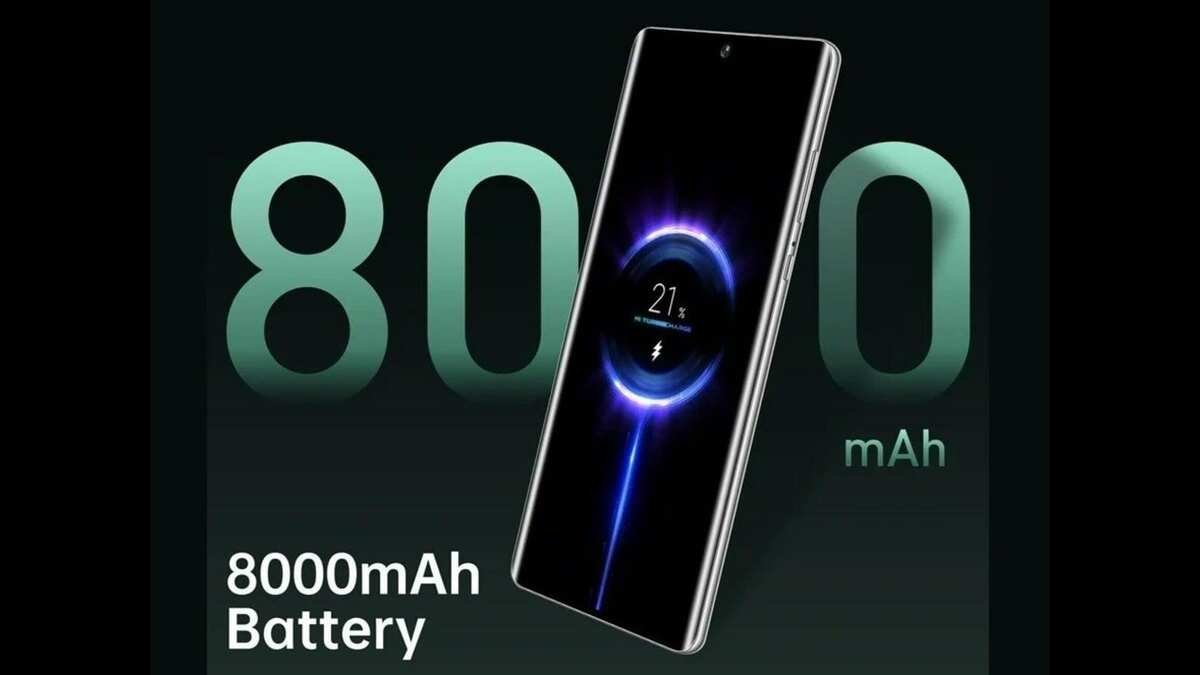
The smartphone industry in 2026 is undergoing a major transformation, and one of the most exciting trends reshaping the market is the rise of ultra-large battery devices. Smartphones with 8000mAh batteries and beyond are no longer experimental concepts but are quickly becoming mainstream, especially among power users, gamers, and heavy multitaskers who demand long-lasting performance without frequent charging.
For years, flagship smartphones remained stuck around the 4500mAh to 5000mAh range, balancing slim design with battery life. However, that balance is now shifting dramatically. With increasing screen sizes, high refresh rate displays, AI-powered features, and demanding apps, manufacturers are being forced to rethink battery capacity. The result is a new wave of devices that prioritize endurance without sacrificing performance.
One of the biggest highlights of this trend is the upcoming OnePlus Nord CE6, which is set to launch with a massive 8000mAh battery. This device is expected to deliver more than two days of usage on a single charge, combined with fast charging technology that ensures users don’t have to wait long when they do need to plug in.
Similarly, brands like iQOO are pushing boundaries even further. Reports suggest that upcoming flagship models powered by advanced chipsets like the Dimensity 9500 could feature batteries close to or exceeding 8000mAh, making them some of the most power-packed smartphones ever built.
Gaming-focused smartphones are also leading this revolution. Devices like the RedMagic 11s Pro are being designed with massive batteries and advanced cooling systems, ensuring sustained performance during long gaming sessions. These phones combine high refresh rate displays, powerful processors, and large battery capacities to deliver uninterrupted gameplay for hours.
What makes this trend even more interesting is that it is not limited to premium flagships. Mid-range and even budget smartphones are now adopting larger batteries as a key selling point. According to recent industry reports, brands such as Realme, Oppo, Tecno, and Poco are actively launching devices with 8000mAh or higher batteries, making multi-day battery life accessible to a wider audience.
The driving force behind this shift is not just consumer demand but also advancements in battery technology. Silicon-carbon batteries are emerging as a game-changing innovation, allowing manufacturers to pack higher capacity cells into slimmer designs. Unlike traditional lithium-ion batteries, these new technologies increase energy density without significantly increasing the size of the device. However, challenges such as heat management and long-term durability still need to be addressed before they become the industry standard.
Another important factor contributing to the popularity of large battery smartphones is changing user behavior. Modern users rely heavily on their devices for gaming, video streaming, content creation, and remote work. In such scenarios, a single-day battery is no longer sufficient. Consumers are now prioritizing reliability and endurance, even if it means slightly heavier devices.
Interestingly, some companies are taking this trend to extreme levels. Devices with batteries exceeding 9000mAh and even 10,000mAh have started appearing in the market, signaling that the race for battery dominance is just beginning. These devices aim to replace power banks entirely, offering extended usage for travelers, gamers, and professionals who are constantly on the move.
However, this evolution also brings new challenges. Larger batteries can increase device weight and thickness, which may affect ergonomics. Additionally, safety remains a critical concern, especially with newer battery technologies that are still being refined. Manufacturers must strike the right balance between capacity, safety, and design to ensure long-term success.
Despite these challenges, the rise of 8000mAh smartphones represents a significant shift in how companies approach smartphone design. Instead of focusing solely on slimness and aesthetics, brands are now prioritizing real-world usability and endurance.
As 2026 progresses, it is clear that battery life is becoming one of the most important battlegrounds in the smartphone industry. With rapid advancements in technology and increasing competition among brands, ultra-high-capacity batteries are set to become a defining feature of next-generation smartphones, fundamentally changing how users interact with their devices in everyday life.


