




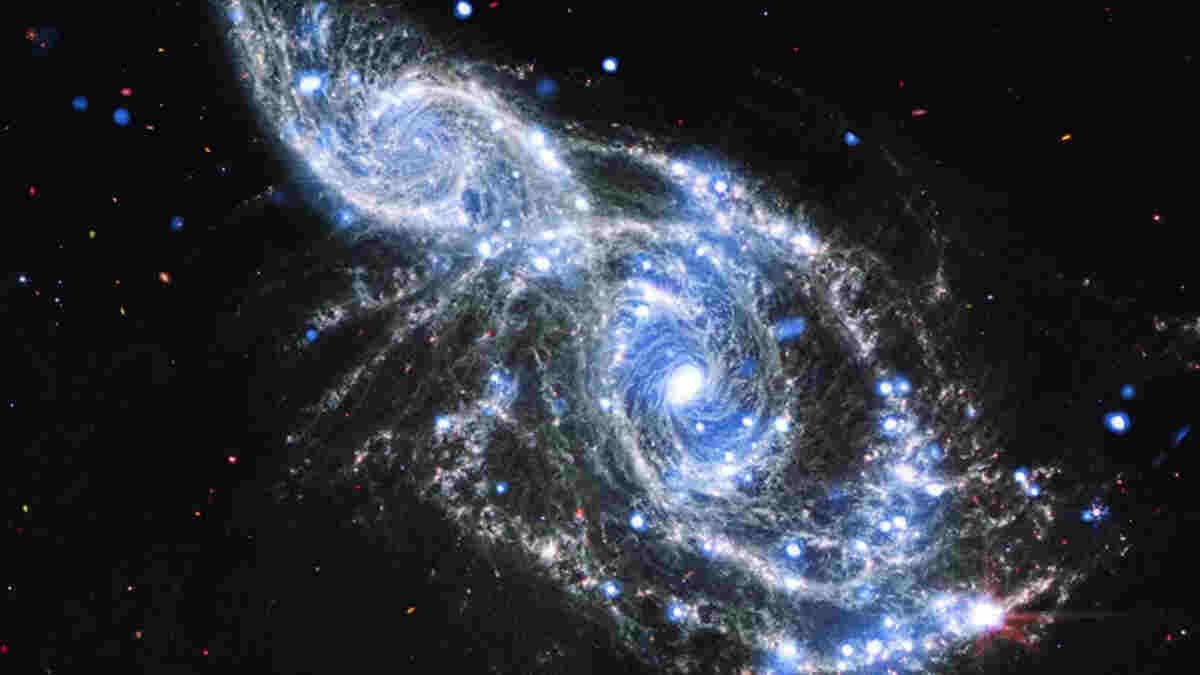
The year 2026 is rapidly emerging as a landmark period for scientific discovery, with major breakthroughs in both space exploration and climate science redefining how humanity understands the universe and its own planet. From the discovery of distant worlds to alarming new climate patterns on Earth, scientists are uncovering insights that could shape the future of life as we know it.
One of the most exciting developments in space science is the discovery of new Earth-like exoplanets that could potentially support life. Recent findings have identified planets located within habitable zones of distant stars, where conditions may allow liquid water to exist. These discoveries are not just expanding our knowledge of the cosmos but are also raising profound questions about whether life exists beyond Earth. Advanced observation tools and missions are making it possible to study these distant worlds in greater detail than ever before, opening a new chapter in the search for extraterrestrial life.
At the same time, new space missions are pushing the boundaries of exploration. In 2026, global space agencies are preparing ambitious projects, including next-generation telescopes designed to analyze the atmospheres of distant planets and identify potential biosignatures. These missions aim to detect gases such as oxygen and methane, which could indicate the presence of life. NASA’s plans for future observatories highlight a long-term vision where scientists will not only discover new planets but also study their environments in remarkable detail.
Another fascinating breakthrough comes from the study of interstellar objects. Scientists are now tracking celestial bodies that originate from outside our solar system, providing rare opportunities to study material formed in entirely different star systems. The detection of such objects is helping researchers understand how planetary systems form and evolve across the galaxy, offering clues about the origins of our own solar system.
While space discoveries are expanding our view outward, climate science is delivering urgent insights about changes happening here on Earth. One of the most significant findings is the continued acceleration of ocean warming. Recent data shows that ocean heat content has reached record levels for multiple consecutive years, confirming that the planet is storing more energy than ever before. This increase in heat is a major driver of extreme weather events, rising sea levels, and ecosystem disruption.
Sea-level rise itself is becoming more concerning as new studies reveal that melting land ice, particularly from Greenland and mountain glaciers, is now the dominant factor driving the increase. Scientists have observed that global sea levels have risen significantly over the past three decades, with the rate of rise continuing to accelerate. This trend poses serious risks to coastal cities and communities around the world.
Another alarming development is the growing frequency of extreme climate events. Research indicates that compound events such as simultaneous heatwaves and droughts have increased dramatically in recent years. These events are particularly dangerous because they amplify each other’s impacts, leading to severe consequences for agriculture, water supply, and human health.
New climate models are also revealing unexpected regional changes. For example, scientists now predict that Antarctica could begin warming significantly faster than previously thought, a phenomenon that could accelerate global sea-level rise and disrupt fragile polar ecosystems.
In addition to these findings, Earth observation satellites are providing more accurate data than ever before, helping scientists monitor changes in forests, oceans, and the atmosphere in real time. These technologies are critical for understanding how the planet is responding to human activity and for developing strategies to mitigate the impacts of climate change.
The convergence of space and climate science is particularly powerful. Satellites originally designed for space exploration are now being used to study Earth’s climate systems, creating a deeper understanding of how global processes are interconnected. This integration of disciplines is enabling scientists to make more accurate predictions and develop better solutions to global challenges.
These breakthroughs highlight a critical moment in human history. On one hand, we are closer than ever to answering fundamental questions about the universe and the possibility of life beyond Earth. On the other hand, we are gaining a clearer and more urgent understanding of the challenges facing our own planet.
As discoveries continue to accelerate, the message from the scientific community is becoming increasingly clear. Innovation and knowledge are advancing at an unprecedented pace, but so are the challenges. The future will depend on how effectively humanity uses these breakthroughs to explore the universe while protecting the only home it currently has.